
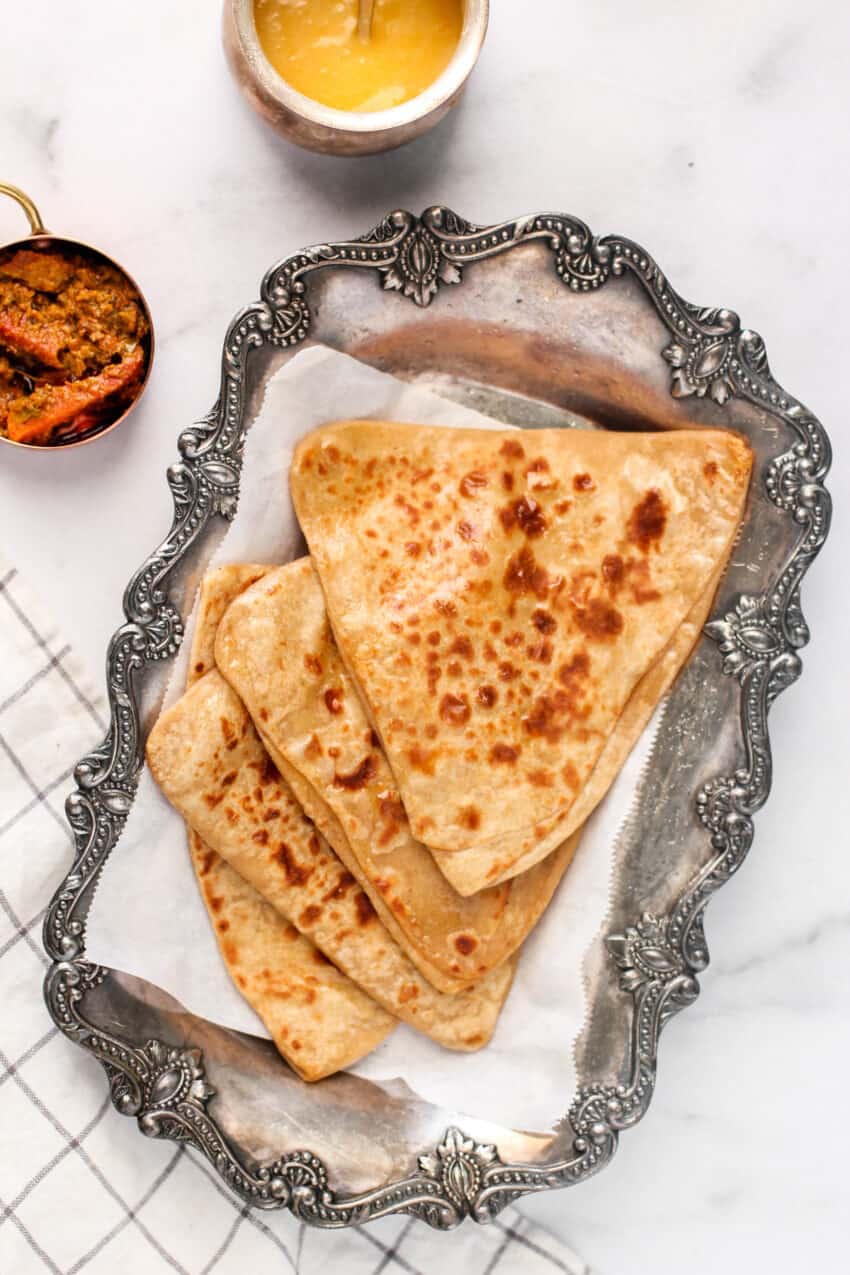
Parathas are homemade Indian flatbreads typically cooked daily to be enjoyed for breakfast, lunch, or dinner. Parathas are made by layering and rolling whole wheat dough that is then cooked on a hot griddle until it turns golden brown on both sides. They fill your kitchen with the wonderful aroma of freshly made bread with the ghee melting over.
What are Parathas
Parathas, a staple in many Indian homes, are soft, thin, and flaky flatbread that can be eaten for breakfast lunch, or dinner. Plain parathas are mainly made with whole wheat flour that is kneaded using salt, oil, and water. The dough is then rolled and cooked on a hot griddle with some ghee or oil until both sides get golden brown spots. Stuffed parathas on the other hand have a combination of savory filling in them like these Aloo Parathas and Palak Paneer Parathas.
To make parathas vegan, simply replace the ghee with any cooking oil and you have a vegan version of the parathas.
Ingredients
- Fine Whole Wheat Flour
- Oil
- Salt (optional)
Best Flour for Parathas
Parathas are made with finely ground whole wheat flour also known as Atta. The best place to buy flour is usually an Indian grocery store. Some of my favorite whole wheat flour brands include – Aashirvaad Select Sharbati Atta, Sujata Chakki Atta, and Aashirvaad Whole Wheat Atta
How to Make Parathas
Step 1: Make the Dough
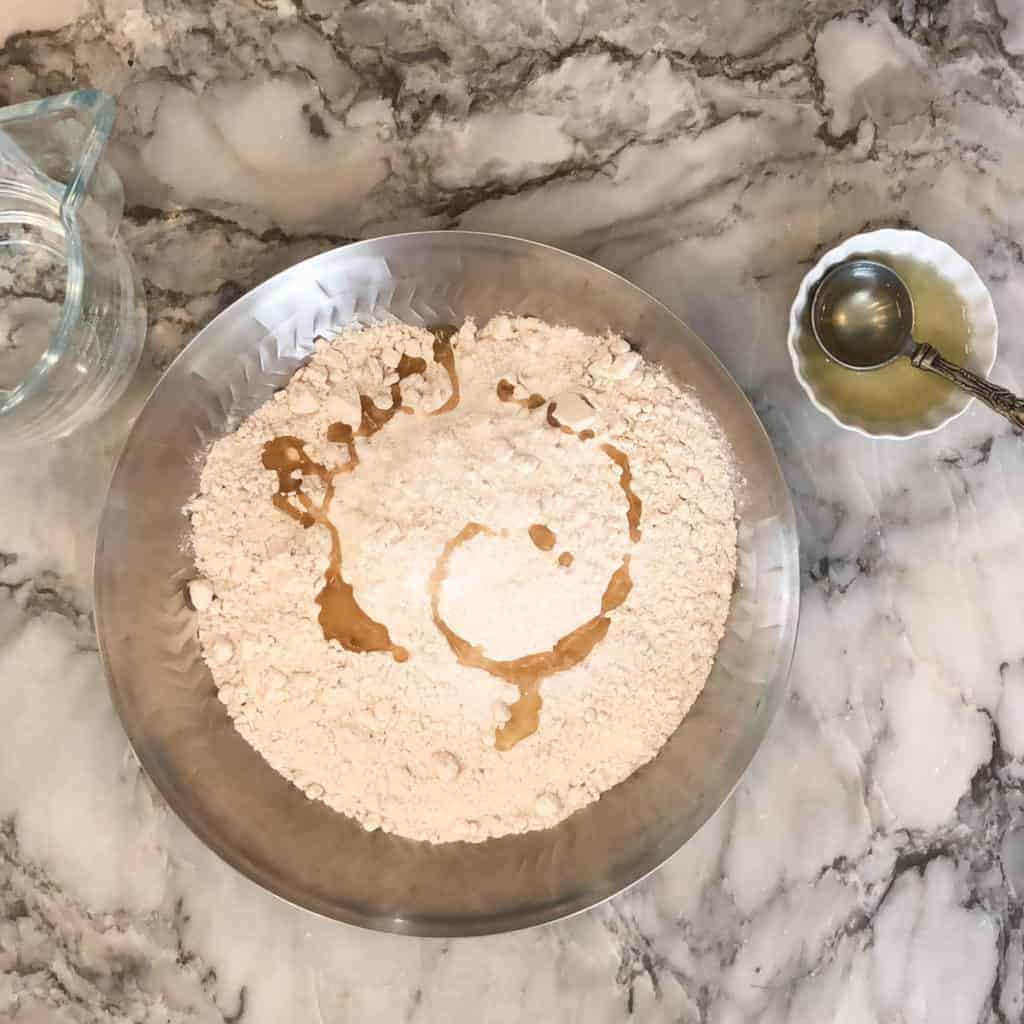
- To a large mixing bowl, add flour, salt, and oil.
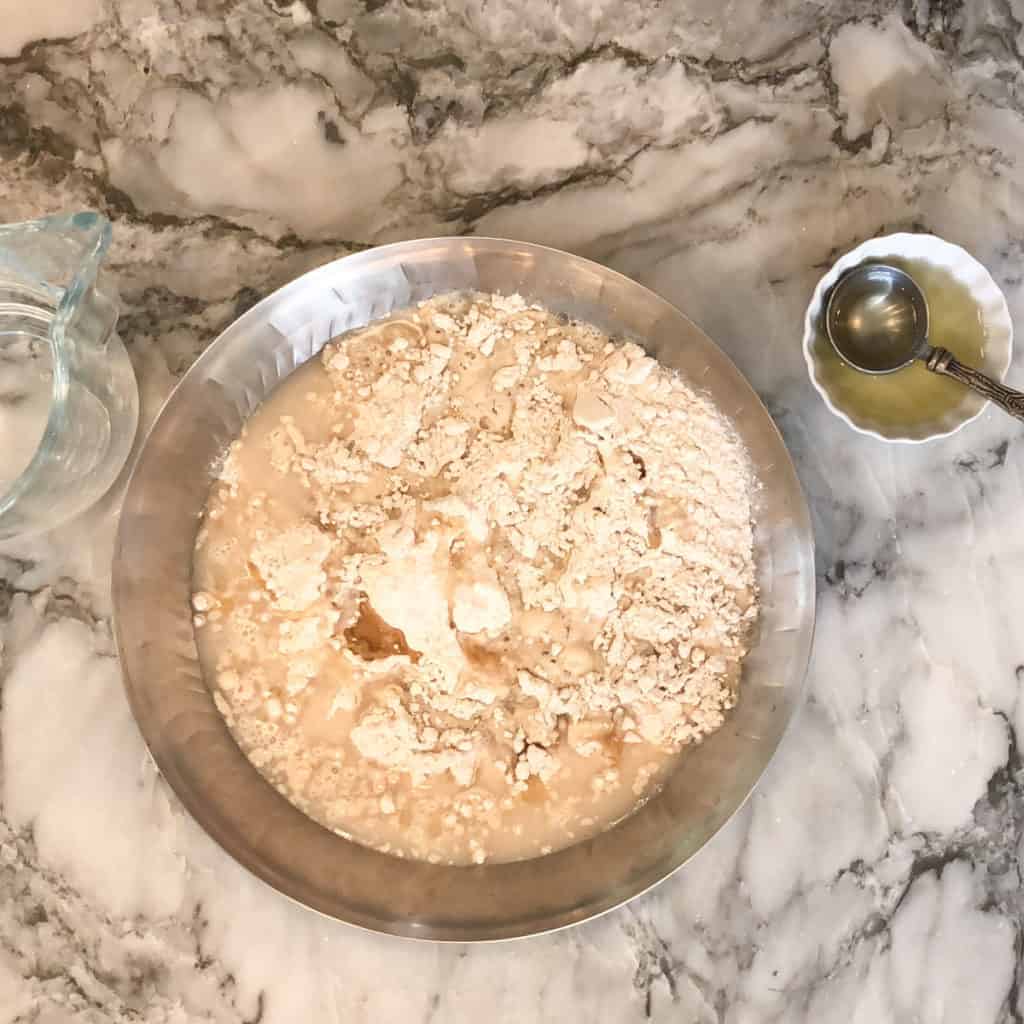
- Slowly add water, a little bit at a time, mixing with your hands until soft dough forms. Note: Depending on the brand of the flour you may need more or less water so only add a little bit at a time.
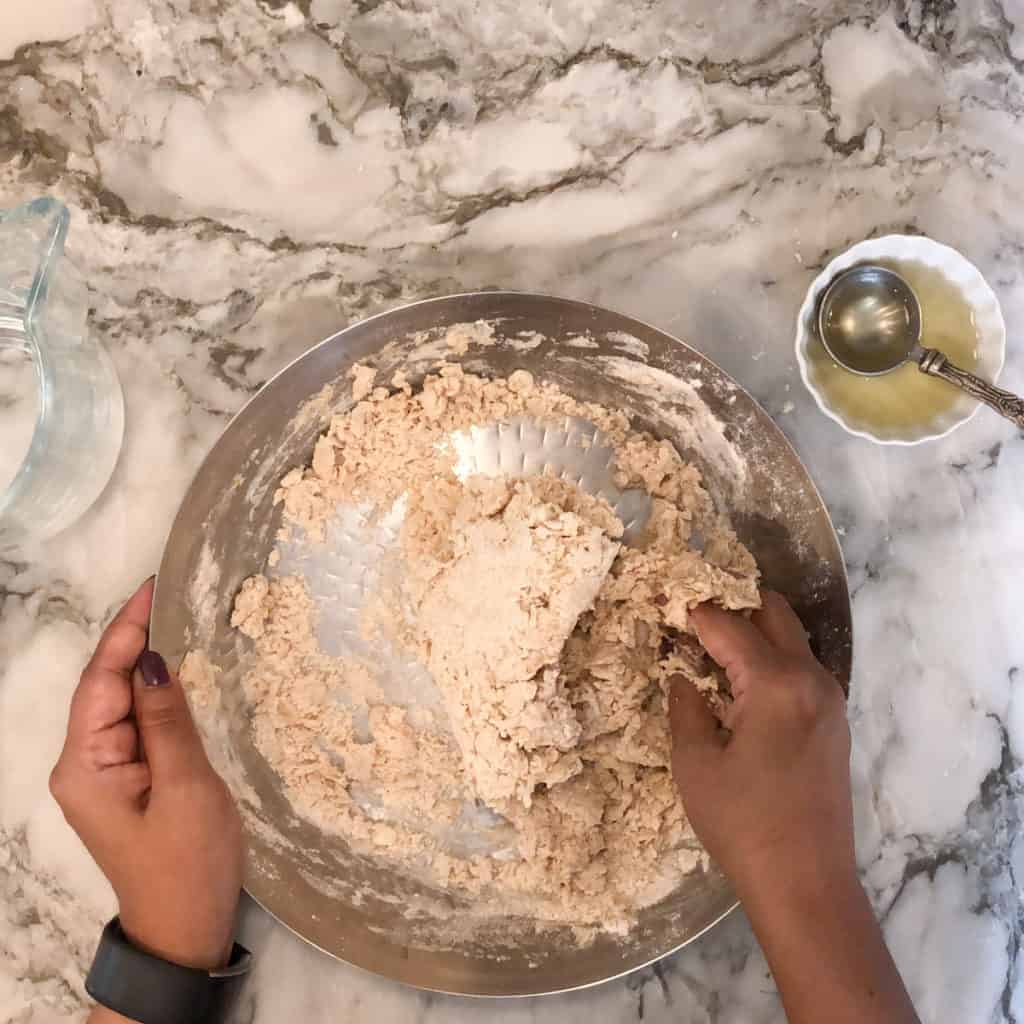
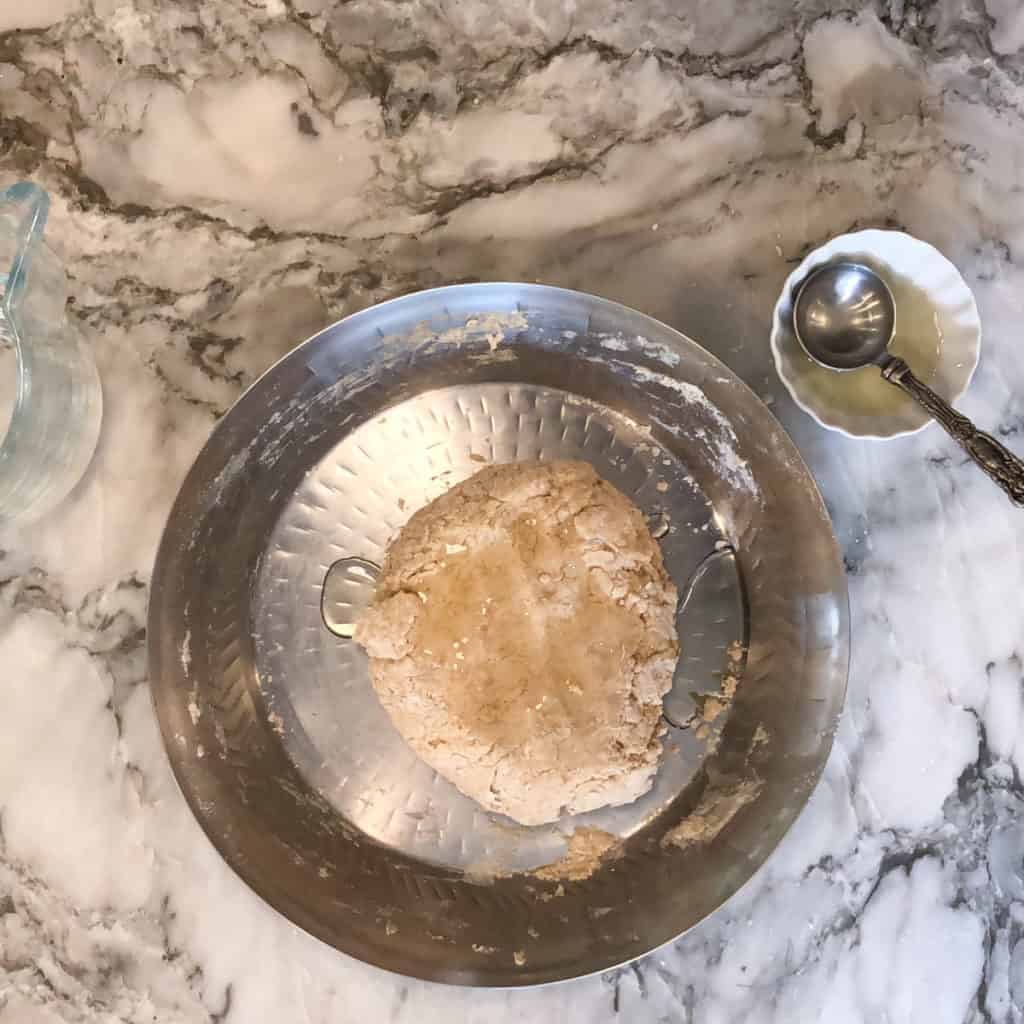
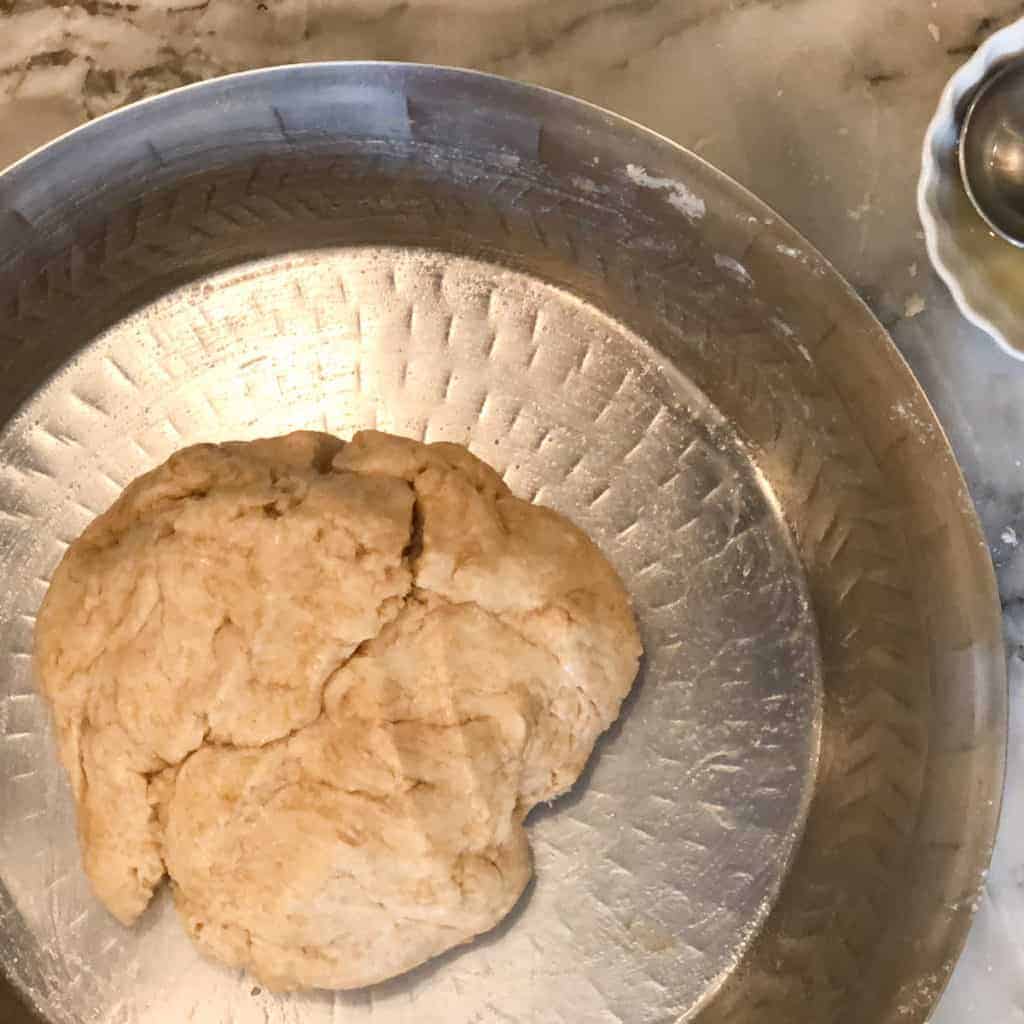
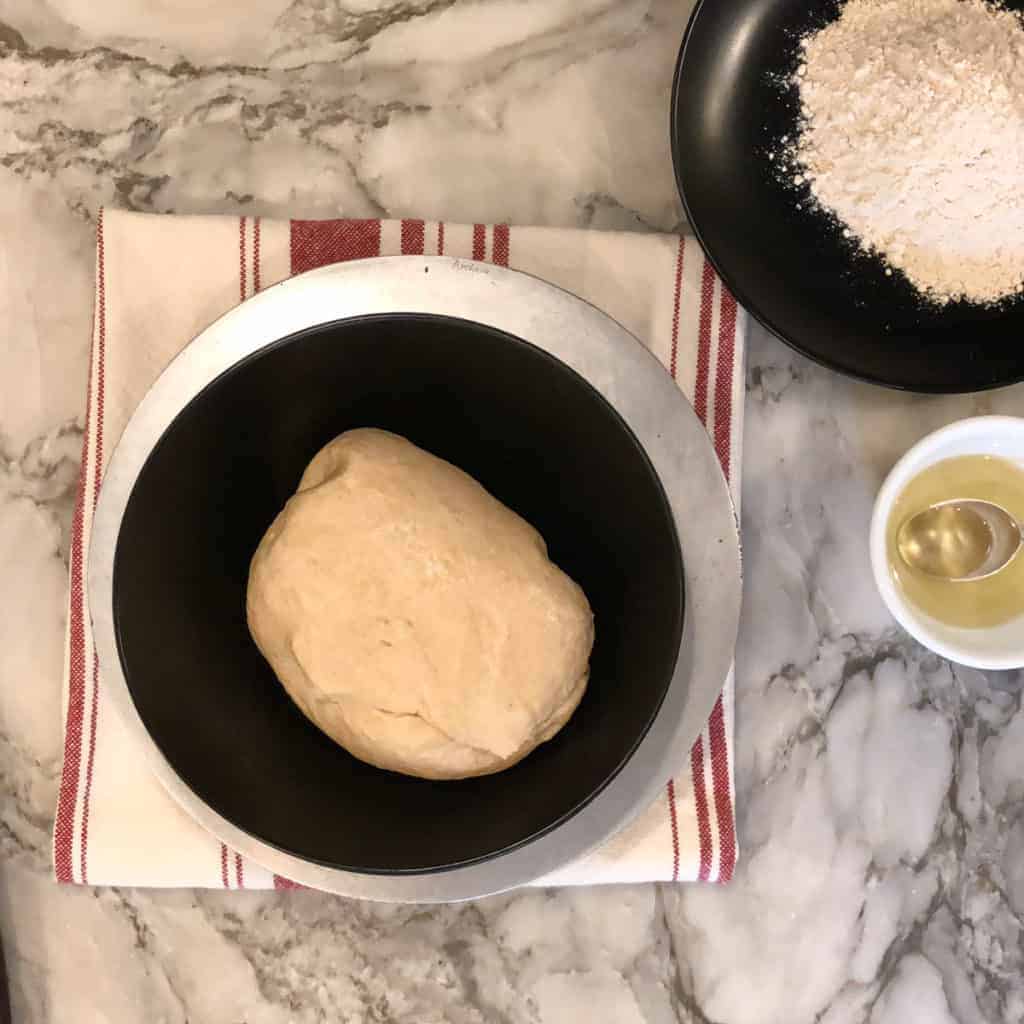
- Add oil to the dough and knead for 4 to 5 minutes until the dough is smooth.
- Rest the dough for 20 minutes covered in an airtight container.
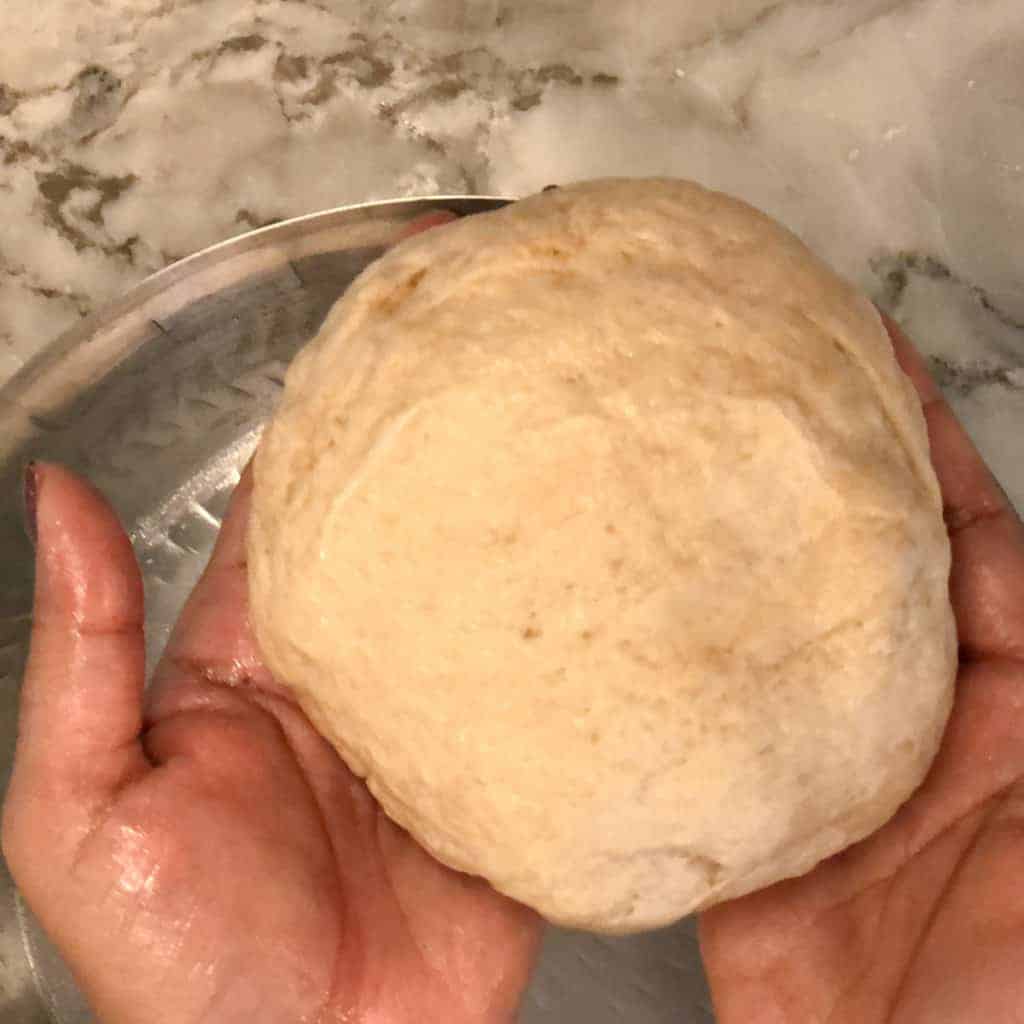
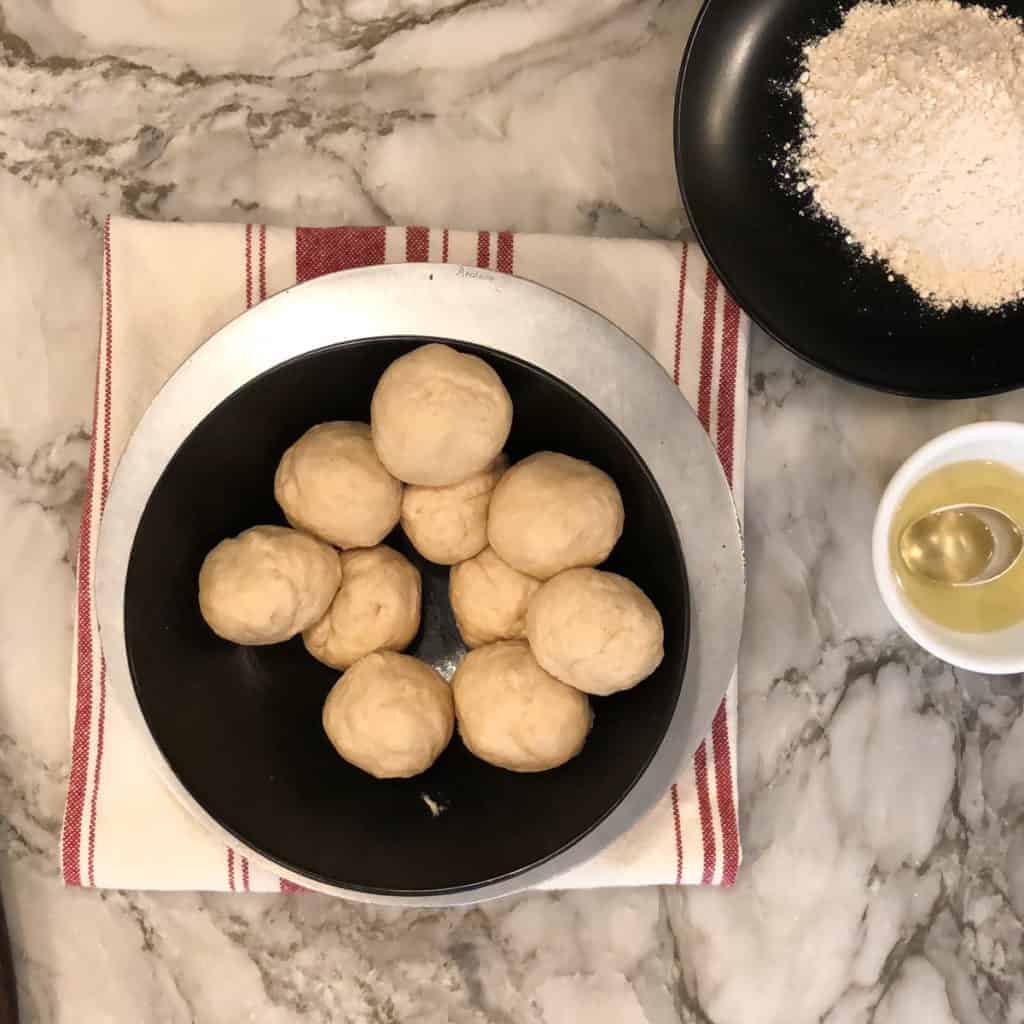
- Divide the dough into ten parts and roll each part on the palm of your hands into a round ball.
Step 2: Rolling Parathas In Different Shapes
Now that you have the perfect dough ready, let me show you how to roll layered parathas 2 ways
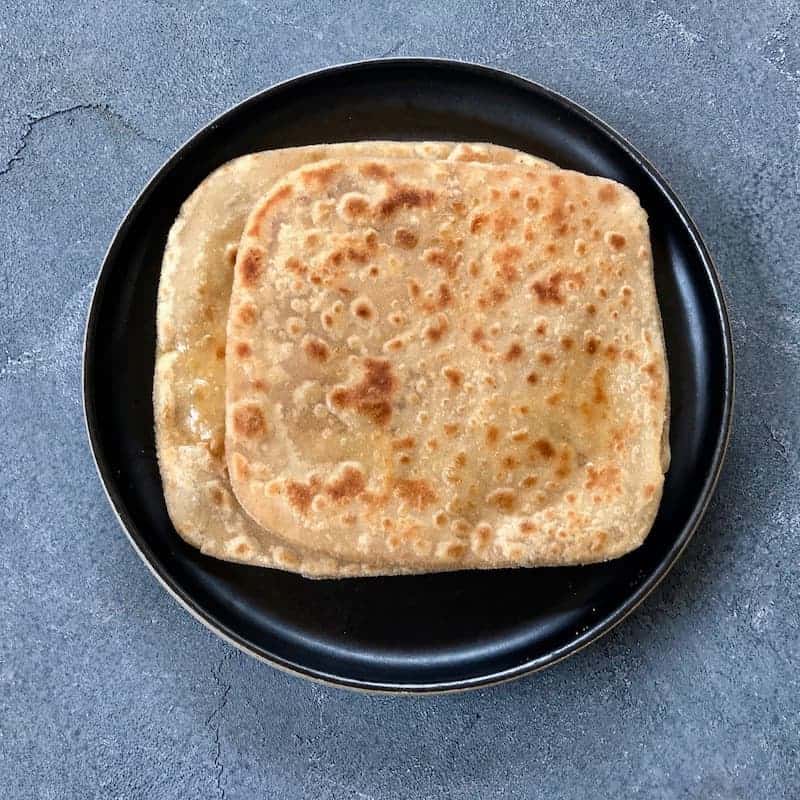
1. Rolling Square Paratha
- Take one piece of the dough ball and dip it in the dry flour lightly coating it all over with flour.
- Using a rolling pin, roll the dough into a 4-inch circle.
- Dip one side of the circle into the flour. Drizzle the floured surface with a few drops of oil, and spread it evenly with your fingers.
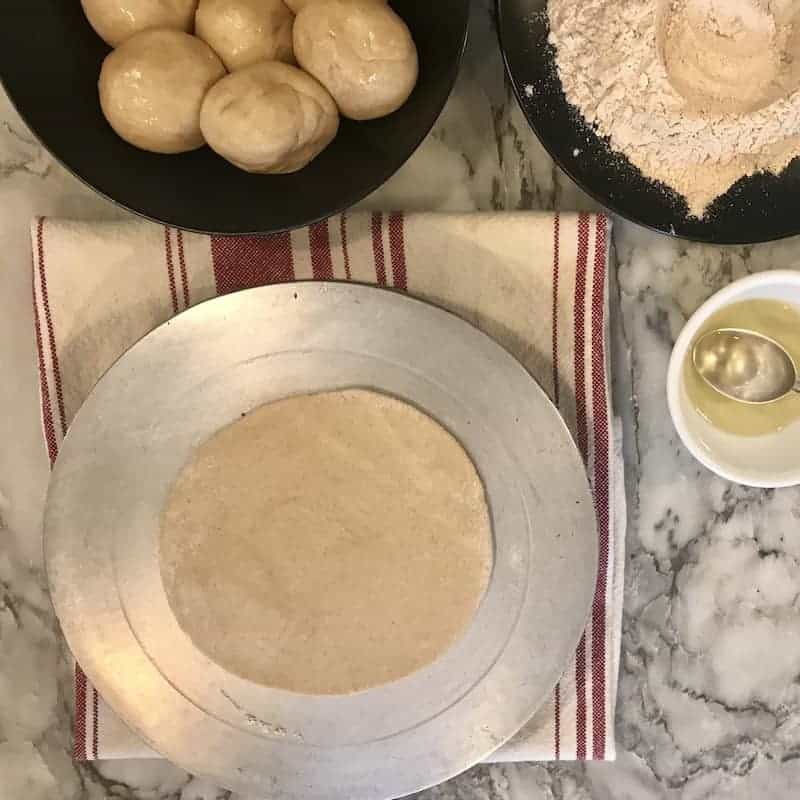
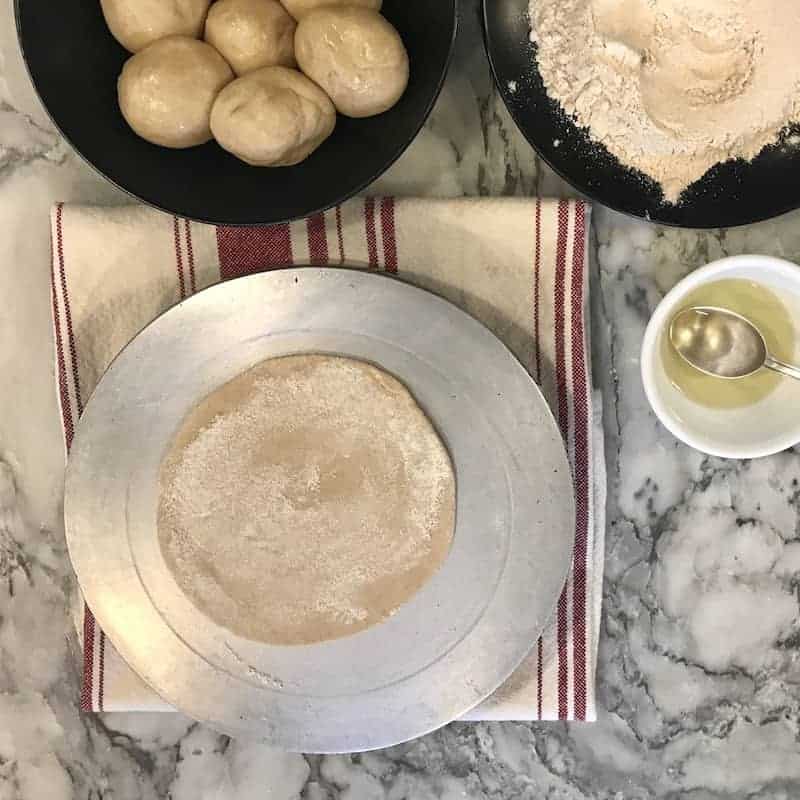
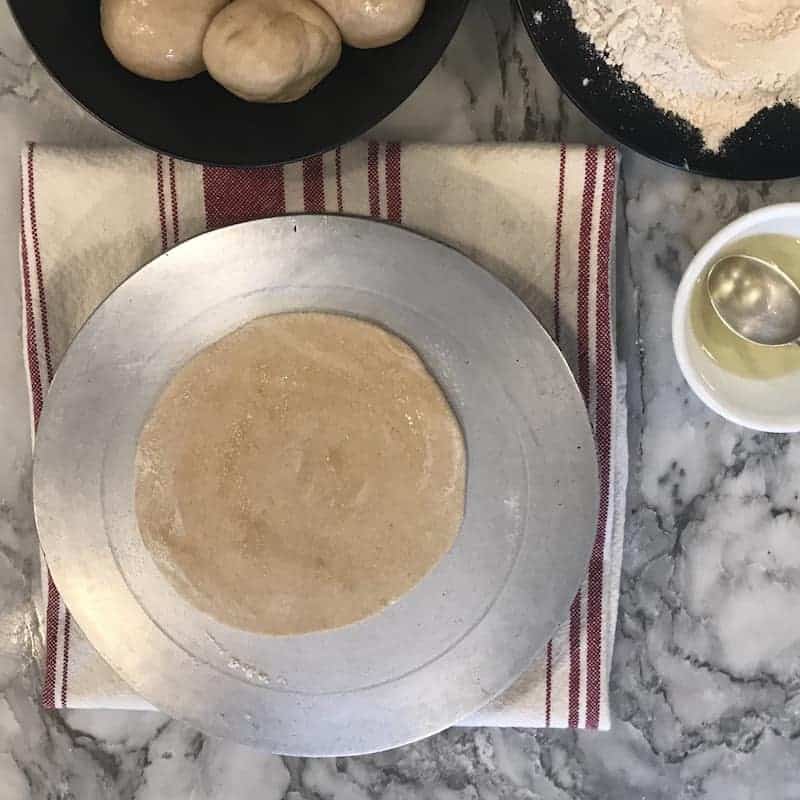
- Fold the top ⅓ side of the circle to the center.
- Fold the bottom ⅓ side of the circle to the center.
- Drizzle the surface with a few drops of oil, spread it evenly with your fingers, and fold the left ⅓ side to the center and the right ⅓ side to the center. This will form a square-shaped piece of dough layered with oil and flour.
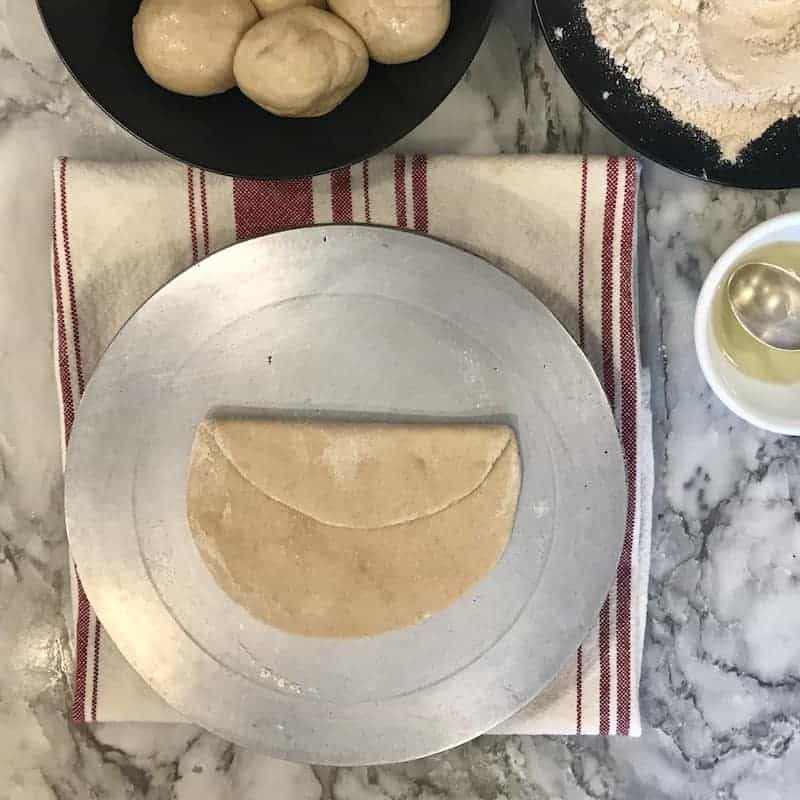
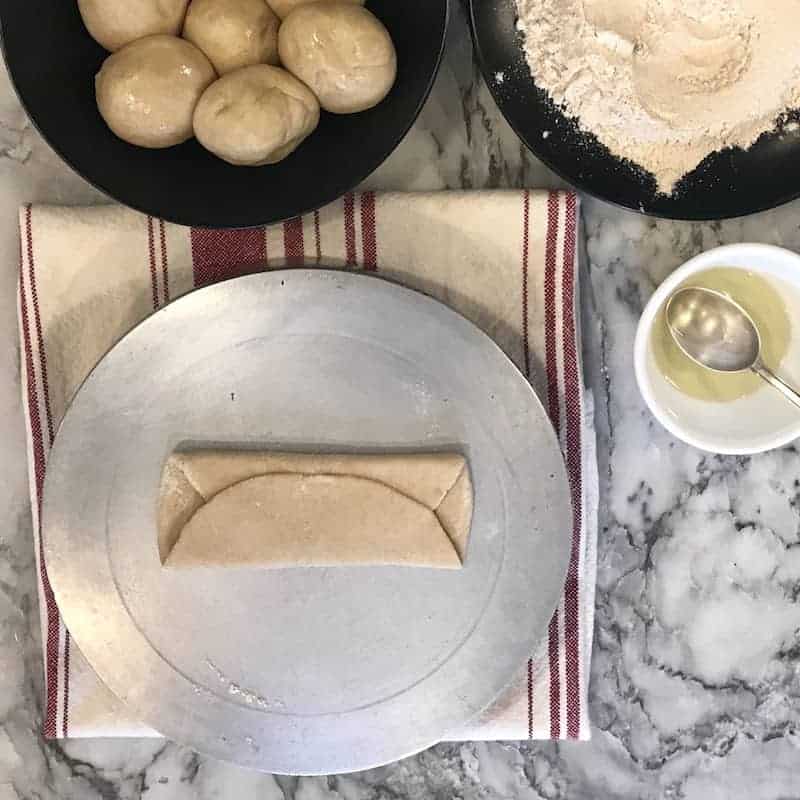
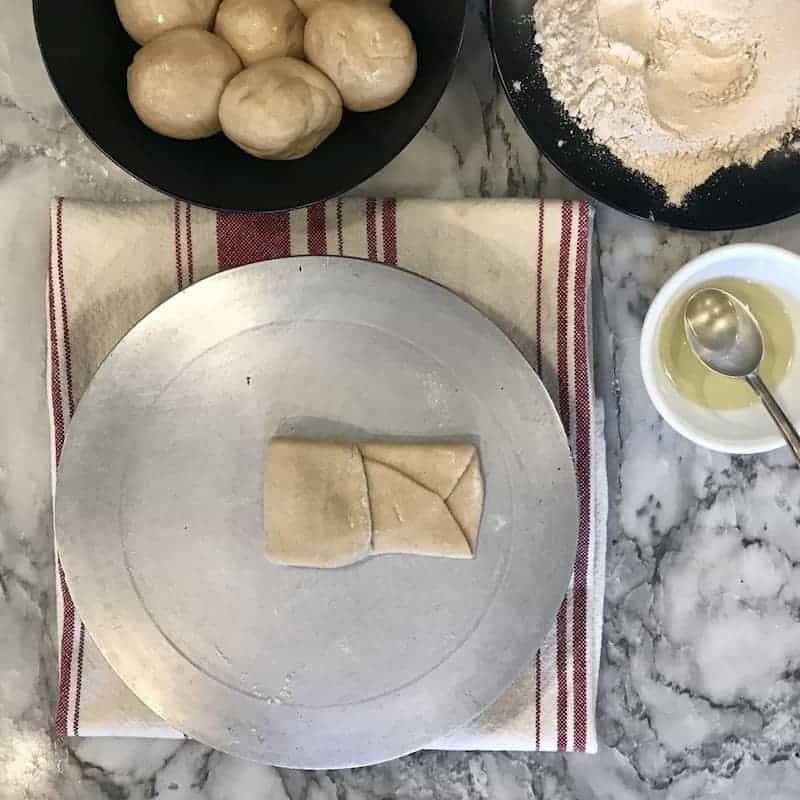
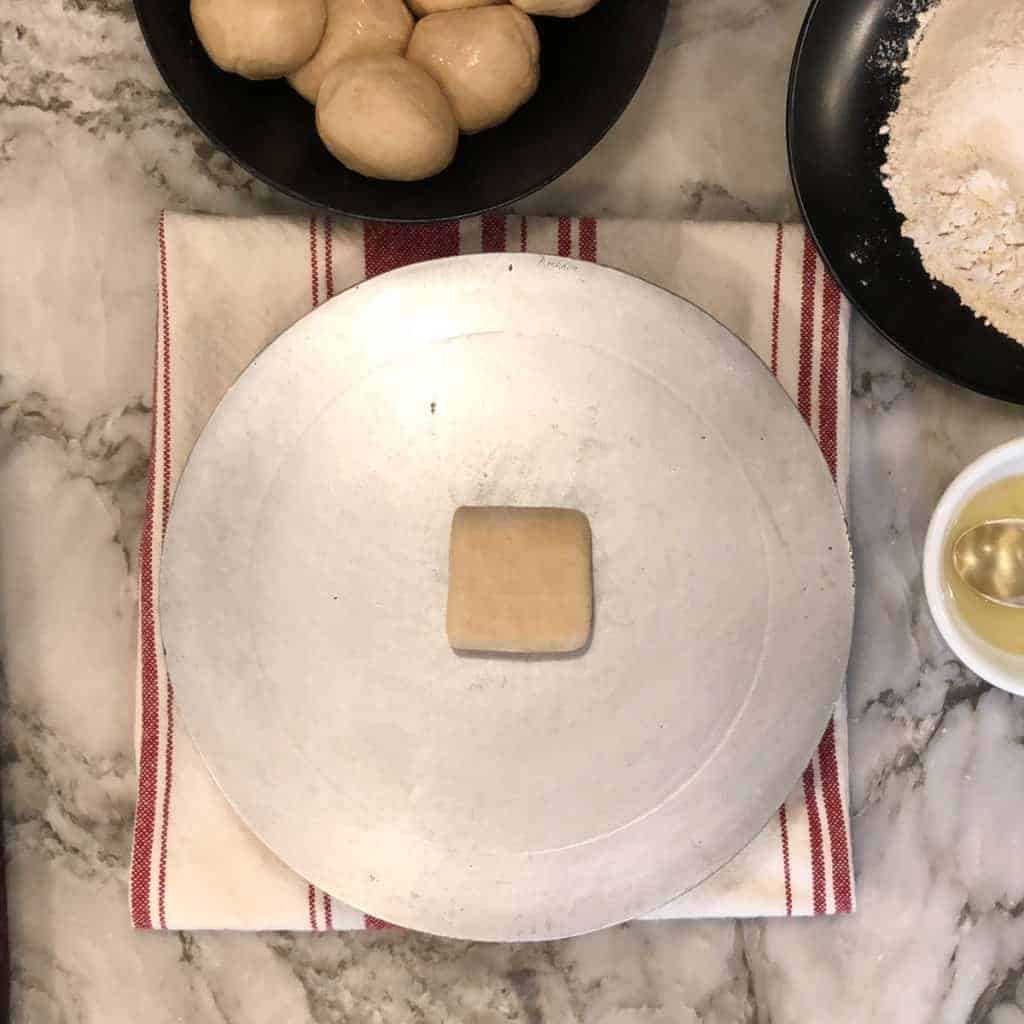
- Dip the square-shaped dough in dry flour coating both sides generously with flour.
- Next, roll the dough back and forth with the rolling pin as you maintain the square shape. Check the video in the recipe card for more details on the rolling.
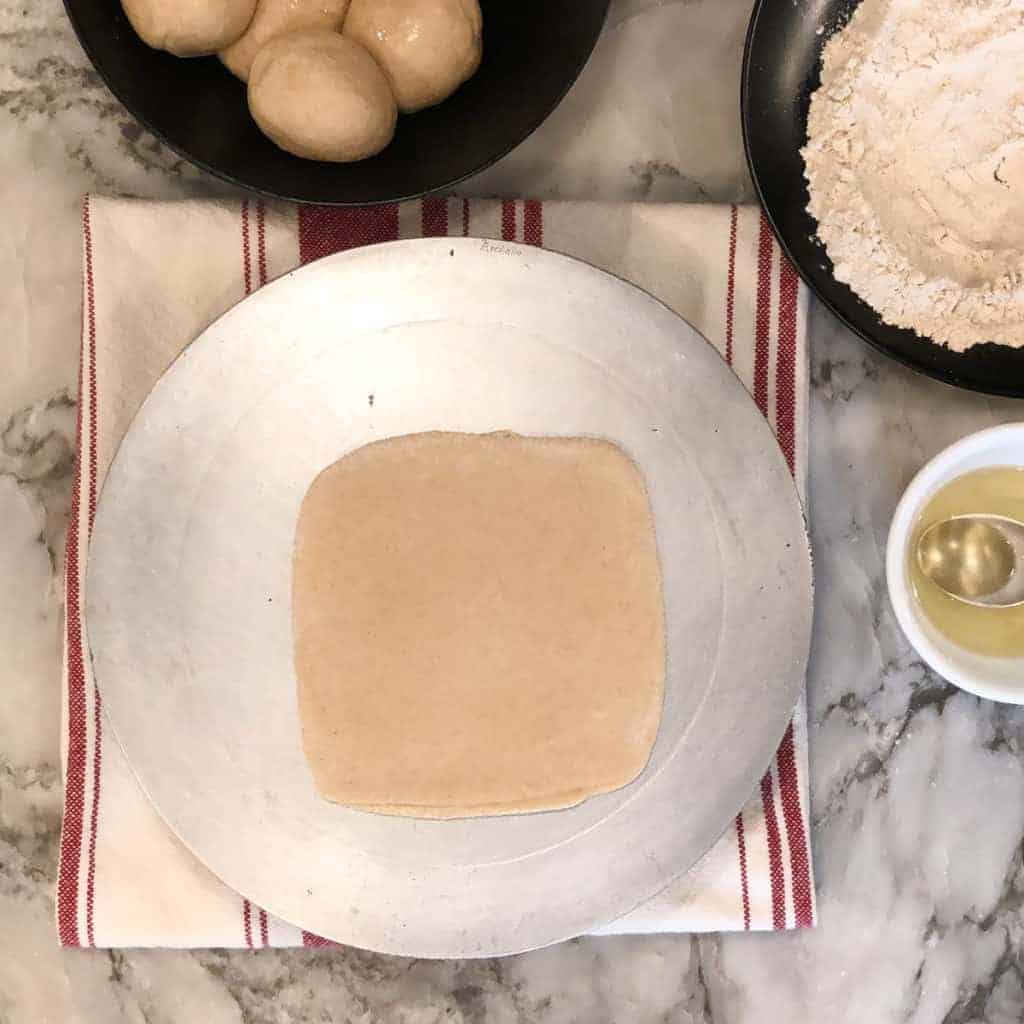
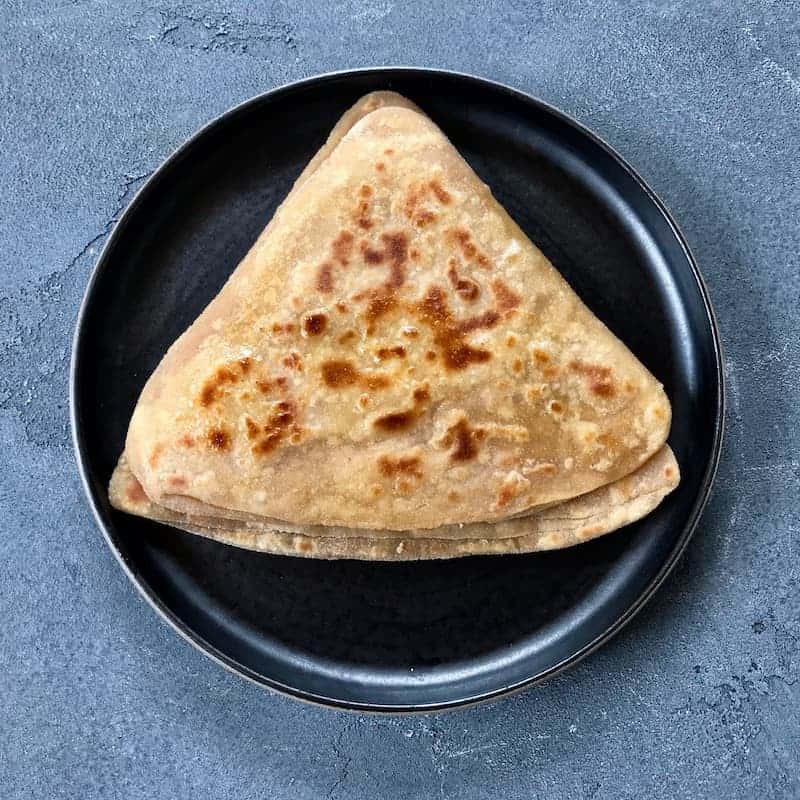
2. Rolling Triangle Paratha
- Take one piece of the dough ball and roll it in the dry flour. Using a rolling pin, roll the dough into a 6-inch circle.
- Dip one side of the circle into the flour.
- Drizzle the floured surface with a few drops of oil, and spread it evenly with your fingers.
- Fold the circle in half so that the oil is on the inside.
- Drizzle the surface with a few drops of oil, and spread it evenly with your fingers.
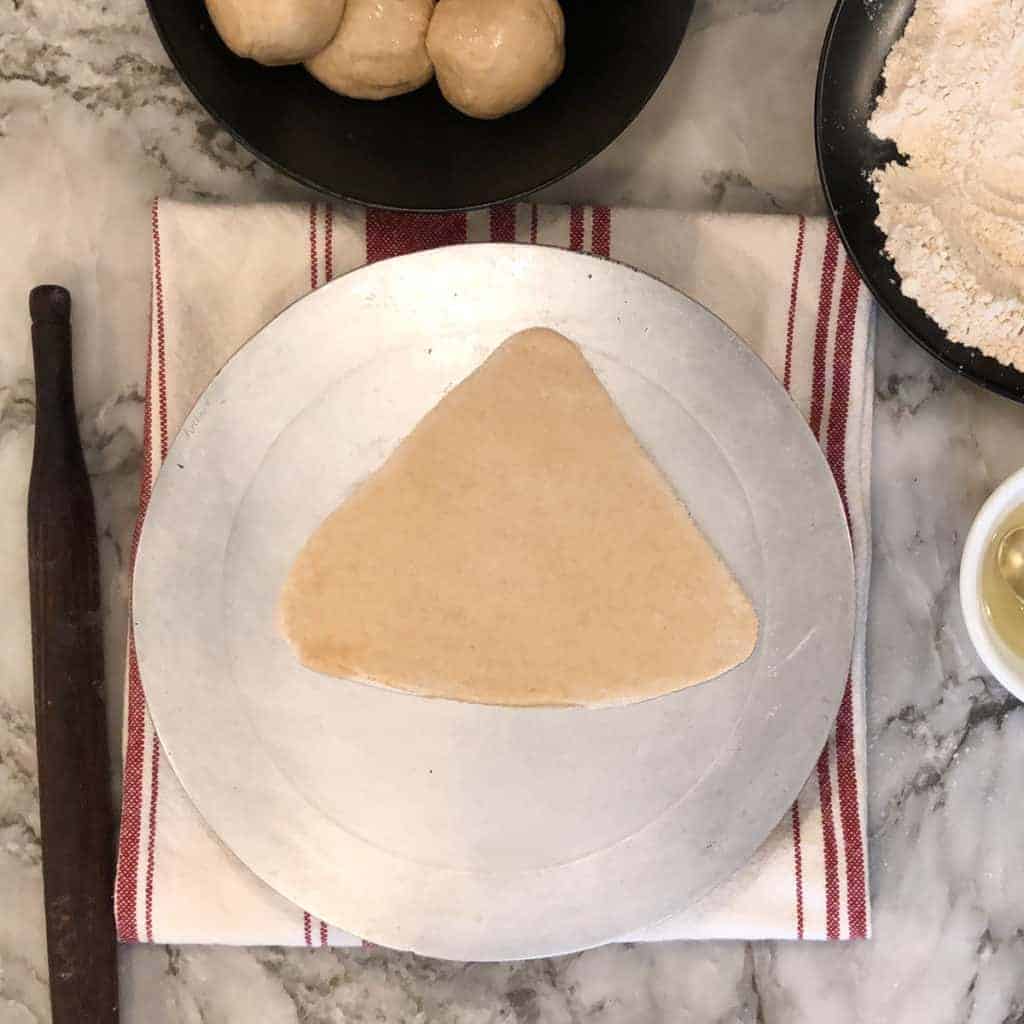
- Fold the semicircle in half again to form a triangle-shaped piece of dough layered with flour and oil.
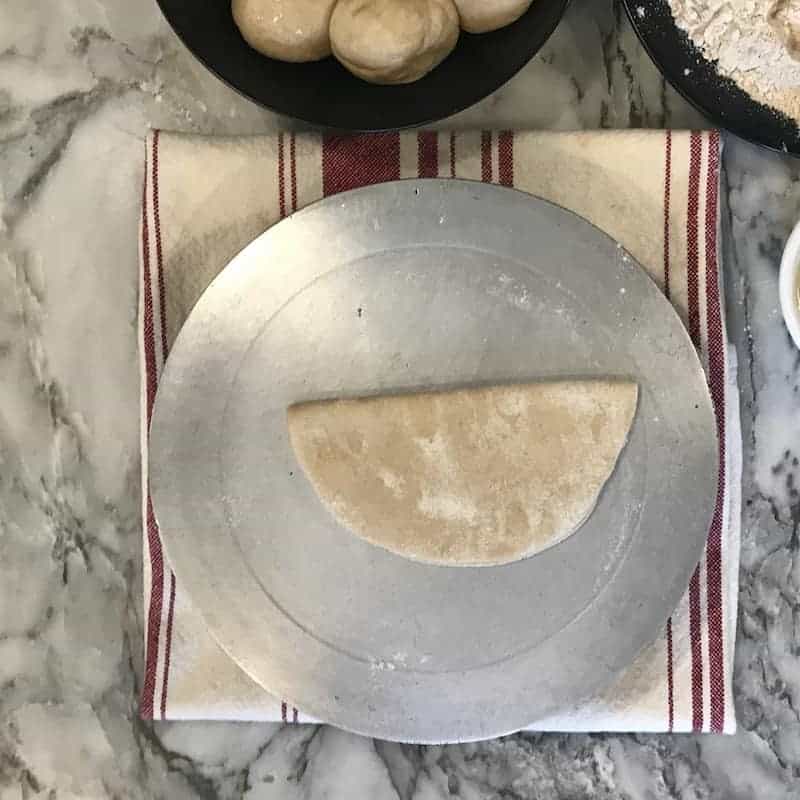
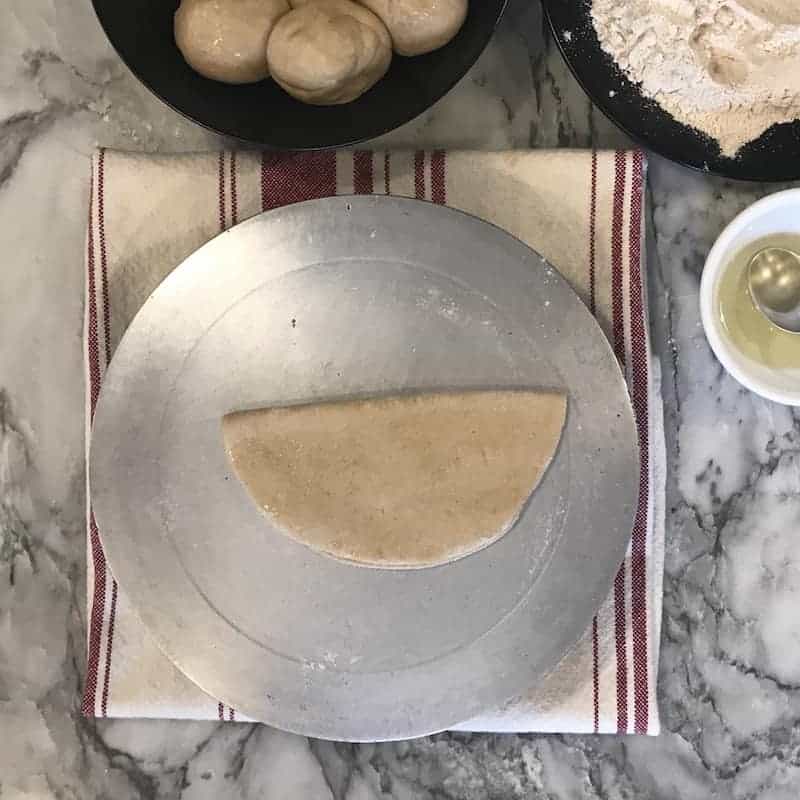
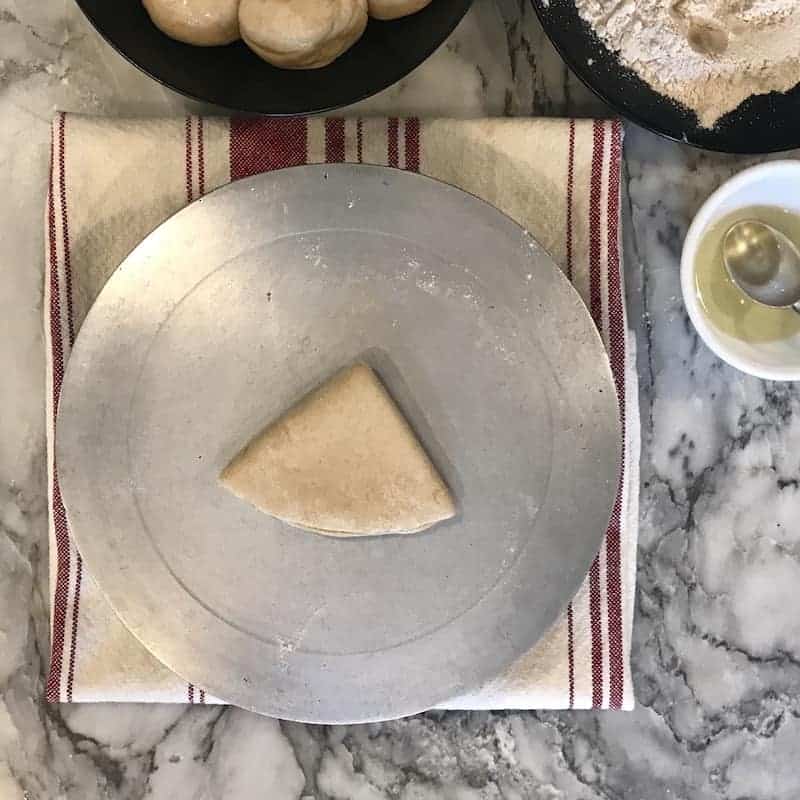
- Dip the dough in the dry flour to generously coat both sides.
- Roll the dough back and forth with the rolling pin as you maintain the triangle shape. Check the videos for more details on the rolling.
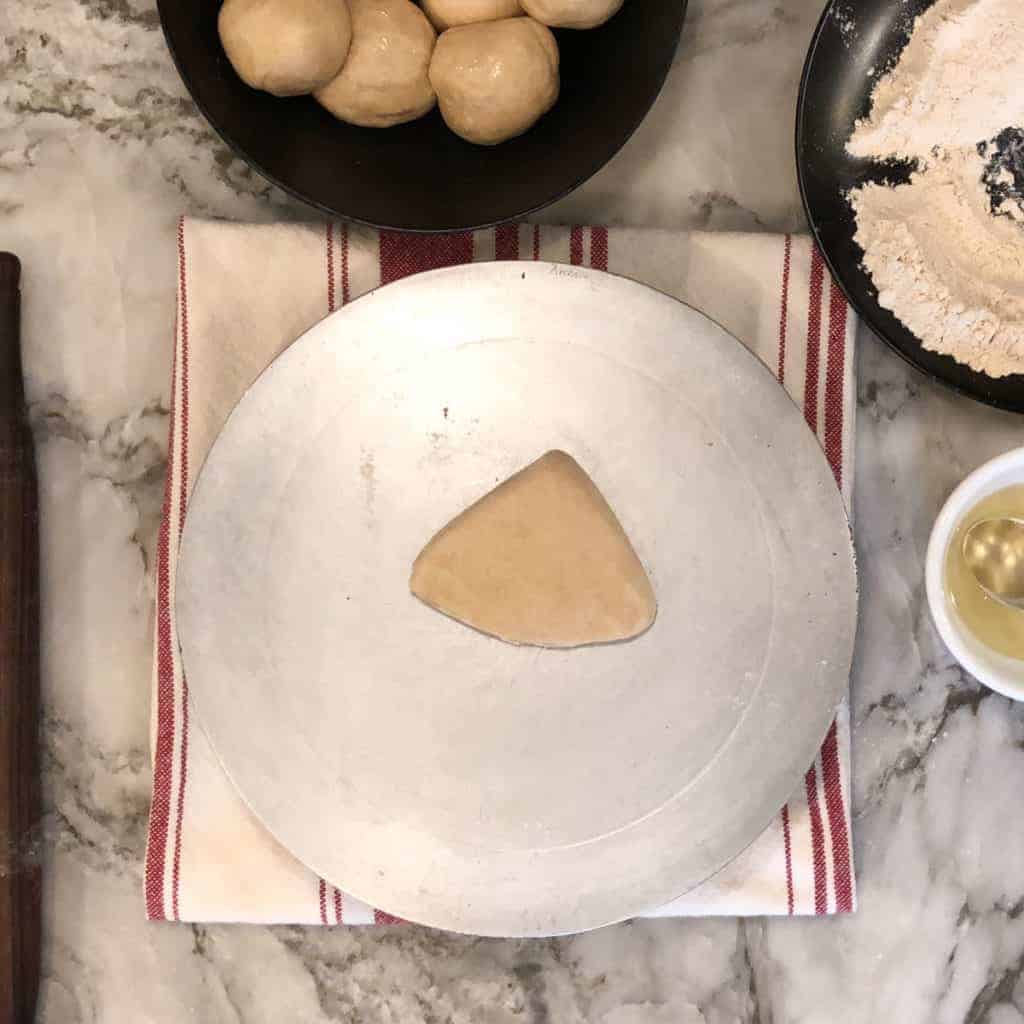
Step 3: Cooking Paratha
Now that we have the paratha rolled out, it’s time to cook it!
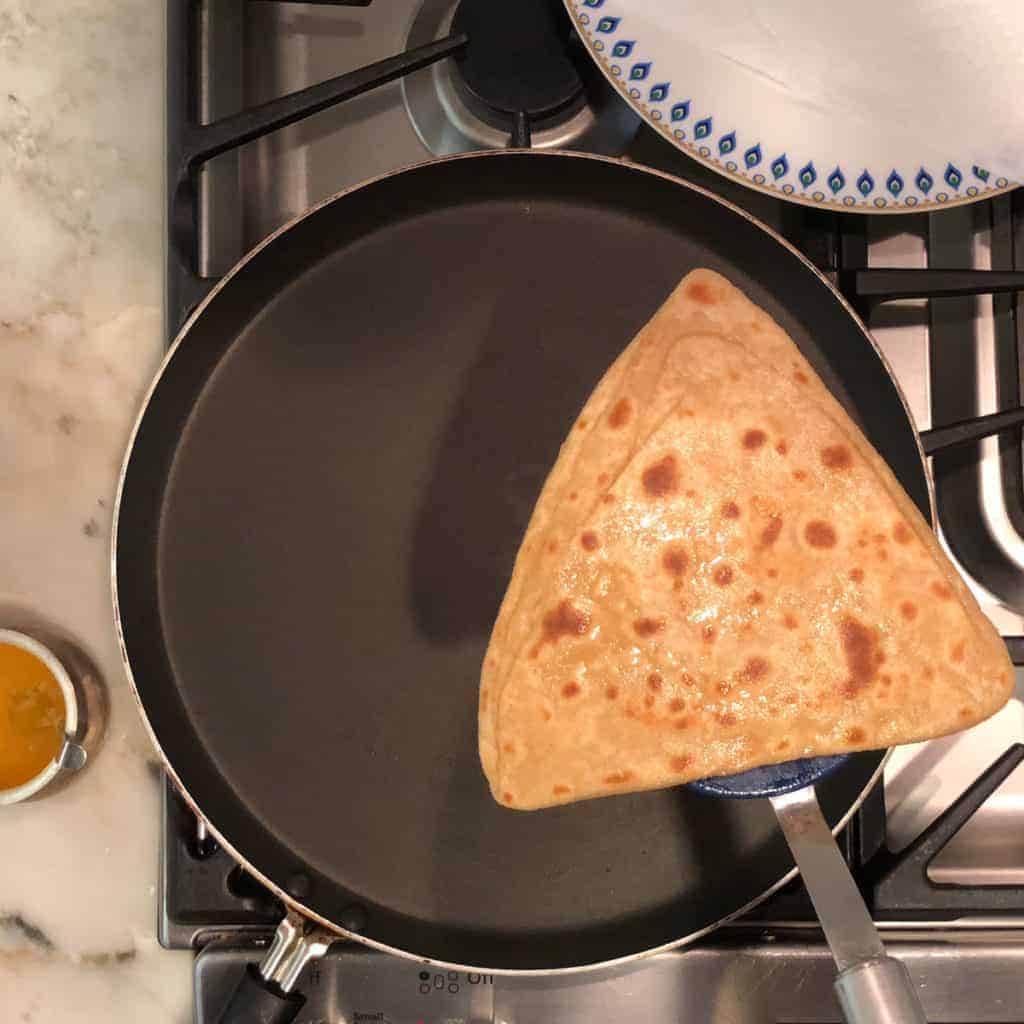
- Warm a griddle over medium-high heat. Once the griddle is hot, carefully place the rolled-out paratha on the surface and cook until the bottom of the paratha turns lighter than the uncooked top, about 1 minute.
- With a flat spatula, flip the paratha and top it with ghee, spreading it evenly over the surface with the back of the spoon. Cook the second side until it turns light brown, about 2 minutes.
- Flip the paratha and top it with ghee, spreading it evenly over the surface. Cook until light brown, 1 to 2 minutes.
- Gently press the paratha with the spatula to help the paratha cook evenly; be sure to press gently for a soft, flaky paratha. Once both sides get spotty golden brown, transfer the paratha to a plate. Note: Please check the video for visual details.
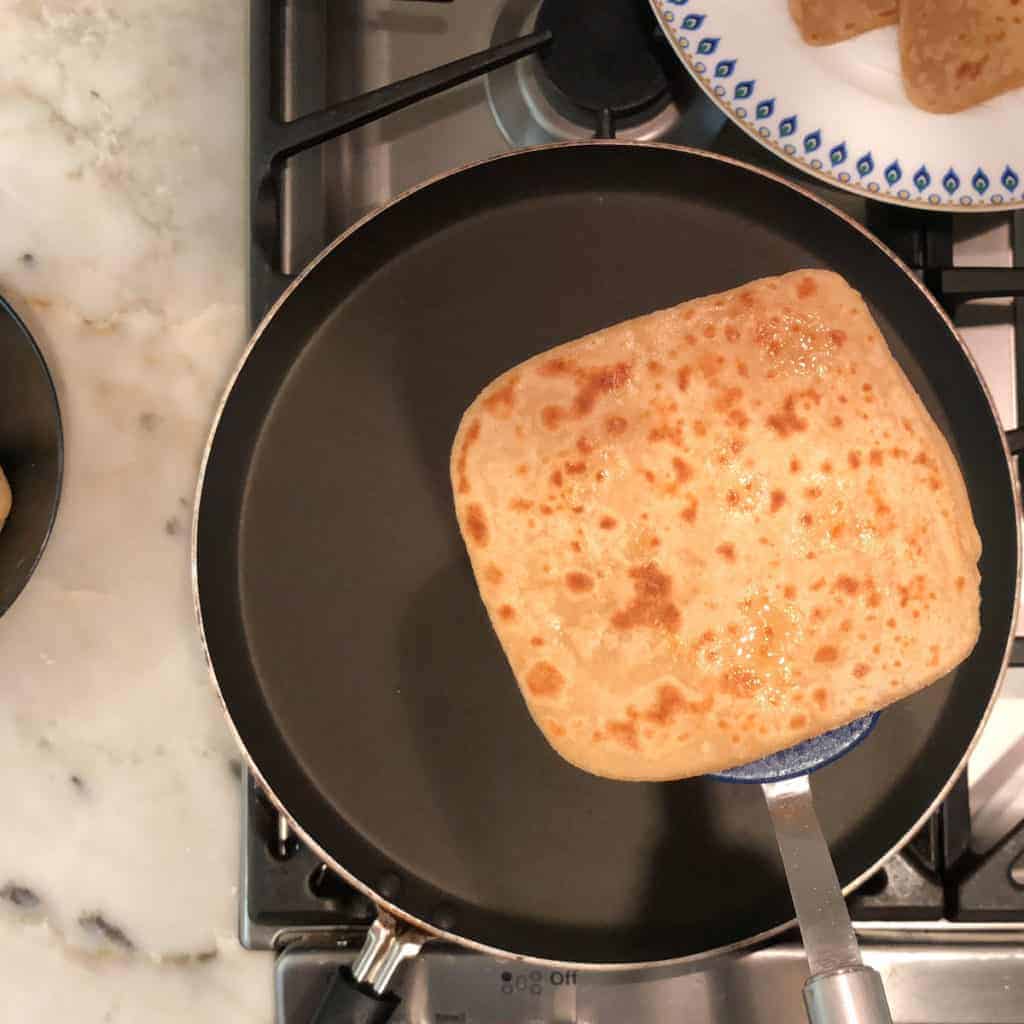
- Repeat with the remaining dough pieces, oil, and ghee. While one paratha is cooking you can start to roll the next. Enjoy warm!
Pro tips for soft and flaky Parathas
- Make sure the dough is not too hard or not too soft by adding a little water at a time as needed.
- Knead the dough really well after adding the oil to make sure that the dough is lump-free.
- Allow the dough to rest for 20 minutes. Cover the dough so it does not get dry.
- Roll with light hands. Do not apply too much pressure.
- Cook by gently pressing the paratha on the sides with a flat spatula. Pressing it too much will cause the paratha to get tough.
- Apply ghee when the paratha is cooked halfway through or when it’s almost fully cooked.
Serving
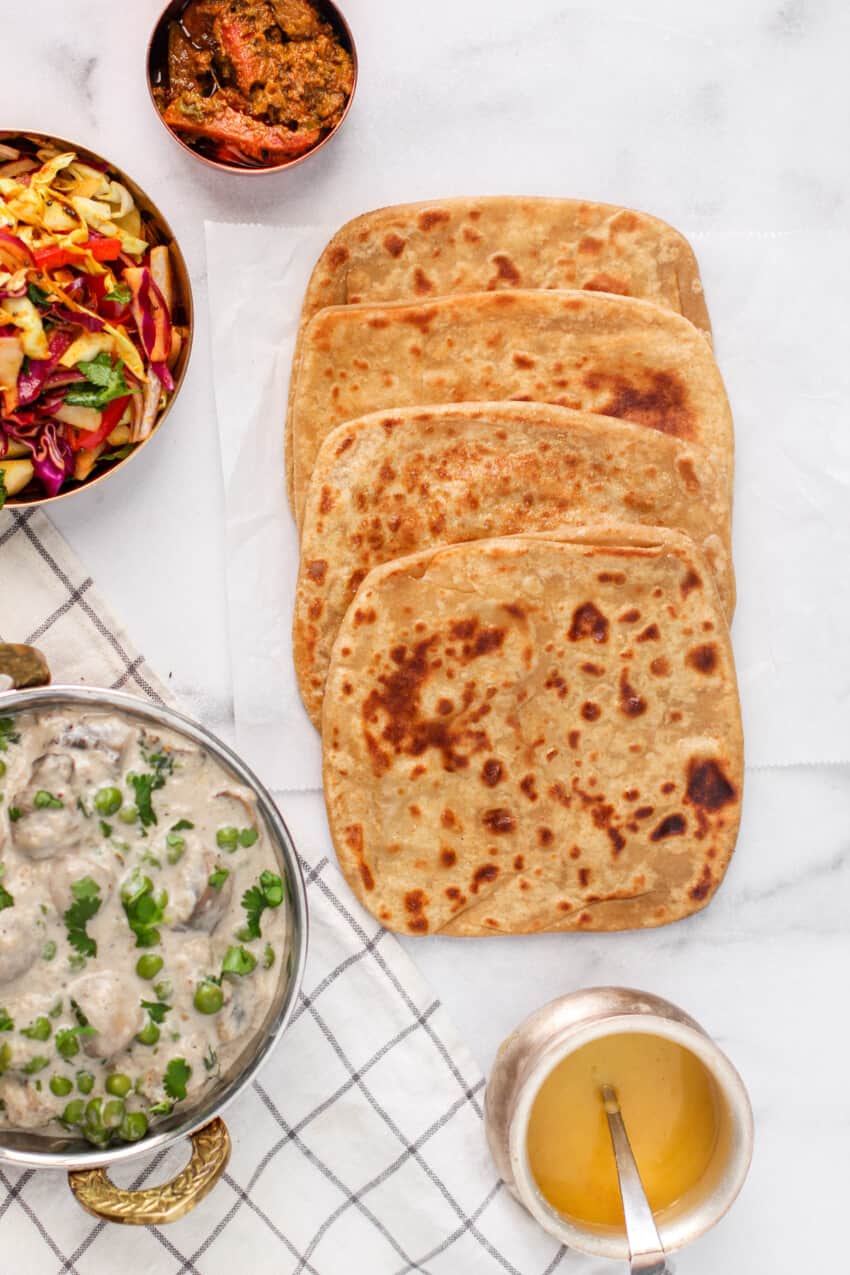
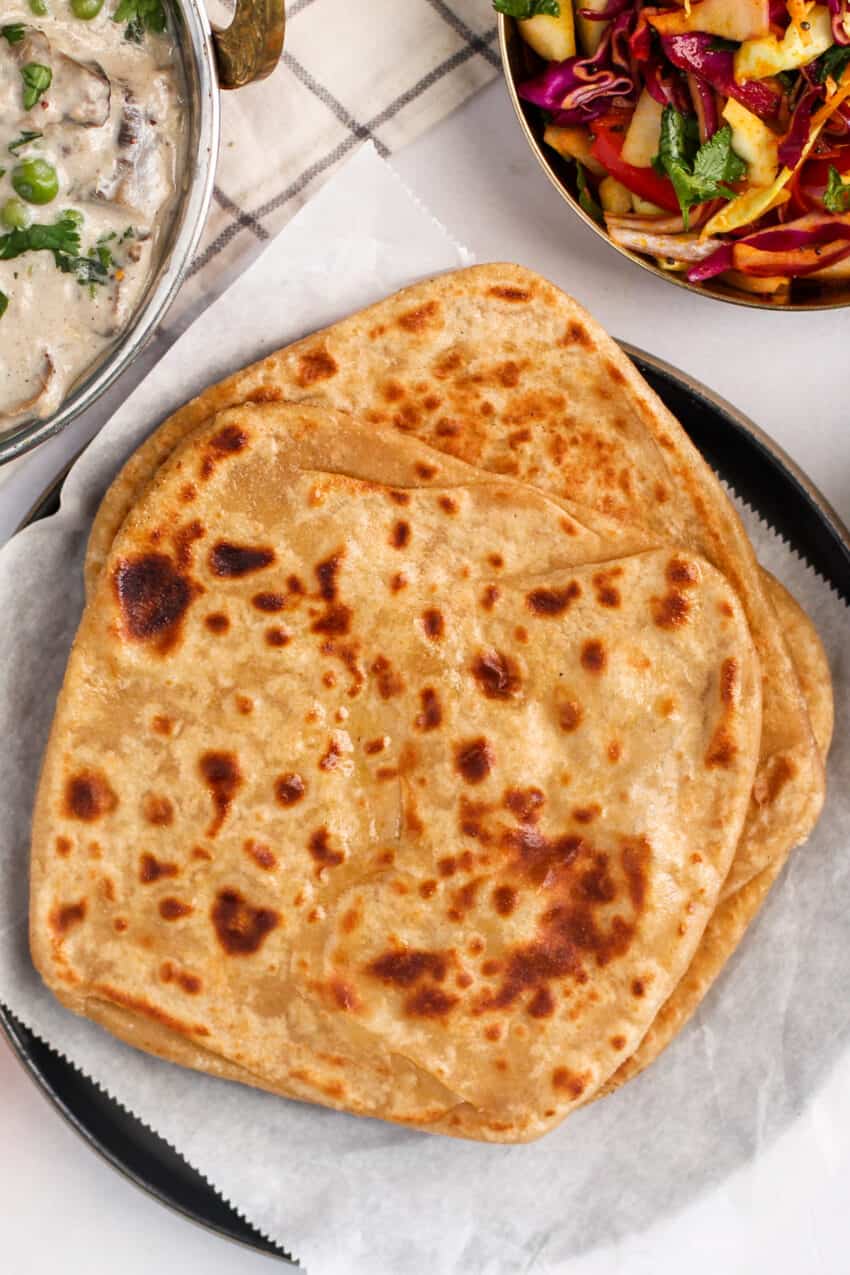
I love to serve parathas with dal makhani (instant pot method). Here are some more of our favorite vegetarian curries to pair with parathas:
You can also serve parathas with a cup of hot chai. Rolled-up paratha dipped in hot chai makes for a perfect breakfast or snack.